Bedding · Materials & Care
Coyuchi Recycled Cotton: Assessing Cost per Use and Care
A blanket’s true value is not captured by its price tag alone. Fiber content, construction, laundering habits and years of useful service all matter. Here’s how to assess Coyuchi’s Full Circle recycled-cotton design—and compare it thoughtfully with other bedding layers.
“Affordable” can mean different things in the bedroom. It may describe a lower upfront cost, a blanket that is easy to care for, or a well-made layer that stays in regular rotation for years. Those measures do not always point to the same choice. A textile with a higher initial price may deliver more uses over time; a lower-cost option may be the better value if it meets your needs, washes easily and lasts well.
That is why cost per use can be a useful comparison. It does not predict exactly how long a blanket will last, and it cannot account for every preference or environmental impact. But it helps shift attention from the checkout total to the practical life of the textile. For a recycled-cotton blanket, the calculation becomes more meaningful when considered alongside its fiber composition, construction, care requirements and certification.
What the Full Circle blanket is made from
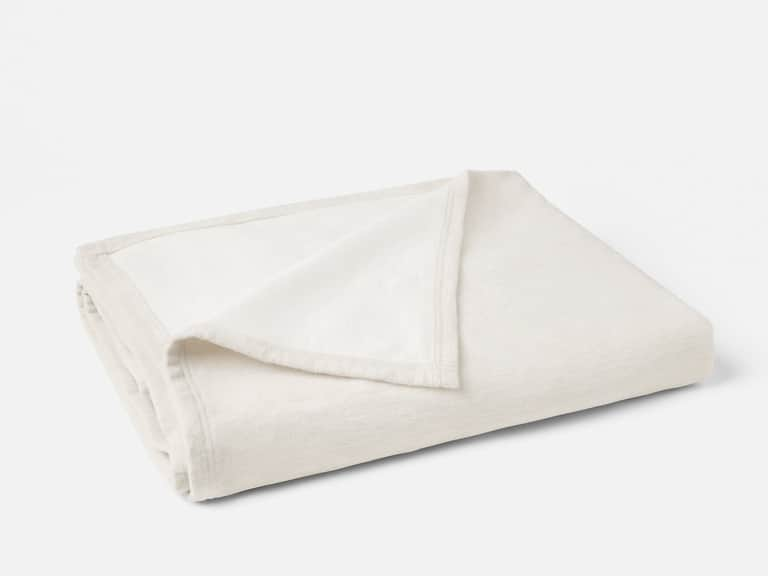
Coyuchi’s Full Circle Recycled Cotton Blanket combines 52% recycled cotton from the brand’s 2nd Home program with 48% organic cotton. The product information describes it as woven in Germany, finished with brushing for a soft hand, and machine washable. It also lists Global Recycled Standard (GRS) certification. Those details create a useful starting point for evaluation: the blanket contains a substantial share of recycled fiber, includes organic cotton, and is designed for routine home use.
Recycled cotton is not a single, uniform material category. Its characteristics depend on the source of the fiber, the recycling process, the blend and the way the resulting yarn is made into fabric. A recycled-content claim tells you something about material inputs; it does not, on its own, tell you how warm, durable or soft a particular blanket will feel. Those qualities are influenced by the finished textile as a whole, including yarn, weave, weight and finishing.
The Full Circle design pairs recycled cotton with organic cotton rather than relying on recycled fiber alone. In practical terms, that blend is important to understand as a composition statement—not as a guarantee of a particular lifespan or performance level. If you are comparing textiles, read the percentage breakdown rather than relying only on words such as “circular,” “natural” or “sustainable.” A specific fiber mix gives a more precise basis for comparison.
Certification: what it tells you, and what it doesn’t
The product information identifies the Full Circle blanket as GRS certified. The Global Recycled Standard is a voluntary standard that addresses recycled material and includes requirements related to processing, chain of custody and certain social and environmental practices. Its relevance is that it offers a framework for verifying recycled content through a supply chain, subject to the standard’s rules and the certification scope.
Certification is helpful evidence, but it is not a shorthand for every quality a shopper may care about. It does not replace checking the stated fiber percentages, the care label, the dimensions or the product’s intended use. Nor should a certification be treated as proof that an item is impact-free. Textile production involves materials, energy, water, transport and finishing; the overall picture is broader than any single label can capture.
When a claim matters to your decision, look for its exact wording and scope. Is the finished product certified, or is a particular material or facility covered? Is a recycled-content percentage stated? Is the certification named clearly enough for you to verify it through the relevant organization? These questions help distinguish a specific, checkable claim from a general environmental impression.
How to calculate cost per use
The basic formula is straightforward:
Cost per use = purchase price ÷ estimated number of uses
For a blanket, define “use” in a way that fits your routine. It could mean each night it is placed on the bed, each week it is used as a sofa layer, or each season it is brought out for warmth. Consistency matters more than choosing one universally correct definition. A blanket used daily will accumulate uses much faster than one reserved for occasional guests.
At a listed price of $248, for example, the Full Circle blanket would work out to about $1.36 per use if used 182 times over six months. If it were used twice a week for a year, approximately 104 uses, the figure would be about $2.38 per use. At 300 uses, it would be about 83 cents per use. These are illustrations, not forecasts: they do not account for discounts, taxes, shipping, repairs, changes in use or how long the blanket actually remains in good condition.
That simple arithmetic can be revealing, but it should not become a contest to make a purchase look worthwhile. A low cost per use is only useful if the blanket genuinely suits your home. Consider whether its size works on your bed, whether its weight fits your climate, whether the texture feels pleasant, and whether you are likely to reach for it. A rarely used item can be poor value even if it is beautifully made; a practical favorite may earn its place through frequent use.
Longevity is part of the equation
Expected lifespan is the most uncertain input in any cost-per-use estimate. A product page can describe materials and construction, but no general statement can promise how long a blanket will last in every household. Laundering frequency, washer capacity, drying conditions, pets, friction, storage and everyday habits all influence wear.
For a fair comparison, avoid assuming that a recycled-cotton blanket will automatically outlast—or wear out sooner than—one made from virgin cotton, wool or another fiber. Instead, compare relevant details. Look at the fiber composition and weave description. Check whether the edges are finished and whether the manufacturer gives clear care instructions. Consider whether the fabric’s weight and texture suit the way you plan to use it. When reviews or independent testing are available, treat them as evidence about particular experiences rather than a guarantee of your own results.
Construction and maintenance can work together. A blanket that is easy to wash may be more convenient for frequent use, but convenient care does not mean careless care. Repeated heat, rough cycles, overloading a machine or excessive detergent may put unnecessary stress on textiles. Following the specific label is a practical way to protect the fabric and preserve its appearance.
Care for recycled cotton at home
The Full Circle blanket’s listed instructions are to machine wash cold, using a gentle cycle with like colors, and tumble dry on low. Always check the current care label attached to the item, since product instructions are the best guide for that specific textile. The following habits can help make home laundering more considered:
- Give the blanket room. Avoid packing it into an undersized washer. A crowded load can prevent thorough rinsing and increase friction.
- Use a gentle cycle and cold water. This follows the stated care guidance and avoids unnecessary exposure to higher wash temperatures.
- Choose a modest amount of detergent. More detergent does not necessarily mean a cleaner textile; residue can remain if the load is difficult to rinse.
- Wash with similar colors and textures. This can help limit dye transfer and abrasion from items with zippers, hooks or rough surfaces.
- Tumble dry on low, as directed. Remove the blanket when it is dry rather than leaving it in a hot dryer for an extended cycle.
- Address small marks promptly. Blot rather than aggressively rub, and test any treatment in an inconspicuous area if the care label permits it.
- Store it clean and fully dry. A dry, breathable storage space helps prevent mustiness during the months a blanket is not in use.
Brushed finishes can feel soft and inviting, but the surface may respond to wear and laundering differently from a smooth, unbrushed fabric. Avoid assuming that brushing means a blanket should be treated like a delicate heirloom—or that it is immune to pilling and abrasion. The exact outcome depends on the textile and how it is used. If surface changes appear, review the care label and reduce friction where possible, such as by washing with softer, compatible items.
Comparing materials without reducing everything to price
A recycled-cotton blanket is one of several possible bedding layers. Cotton is familiar to many households and, in this case, the stated care instructions allow machine washing. That can be an advantage for people who want a blanket that fits into an ordinary laundry routine. Yet washability is not the only measure of convenience: size, dryer capacity, drying time and the need to follow gentle-cycle instructions also matter.
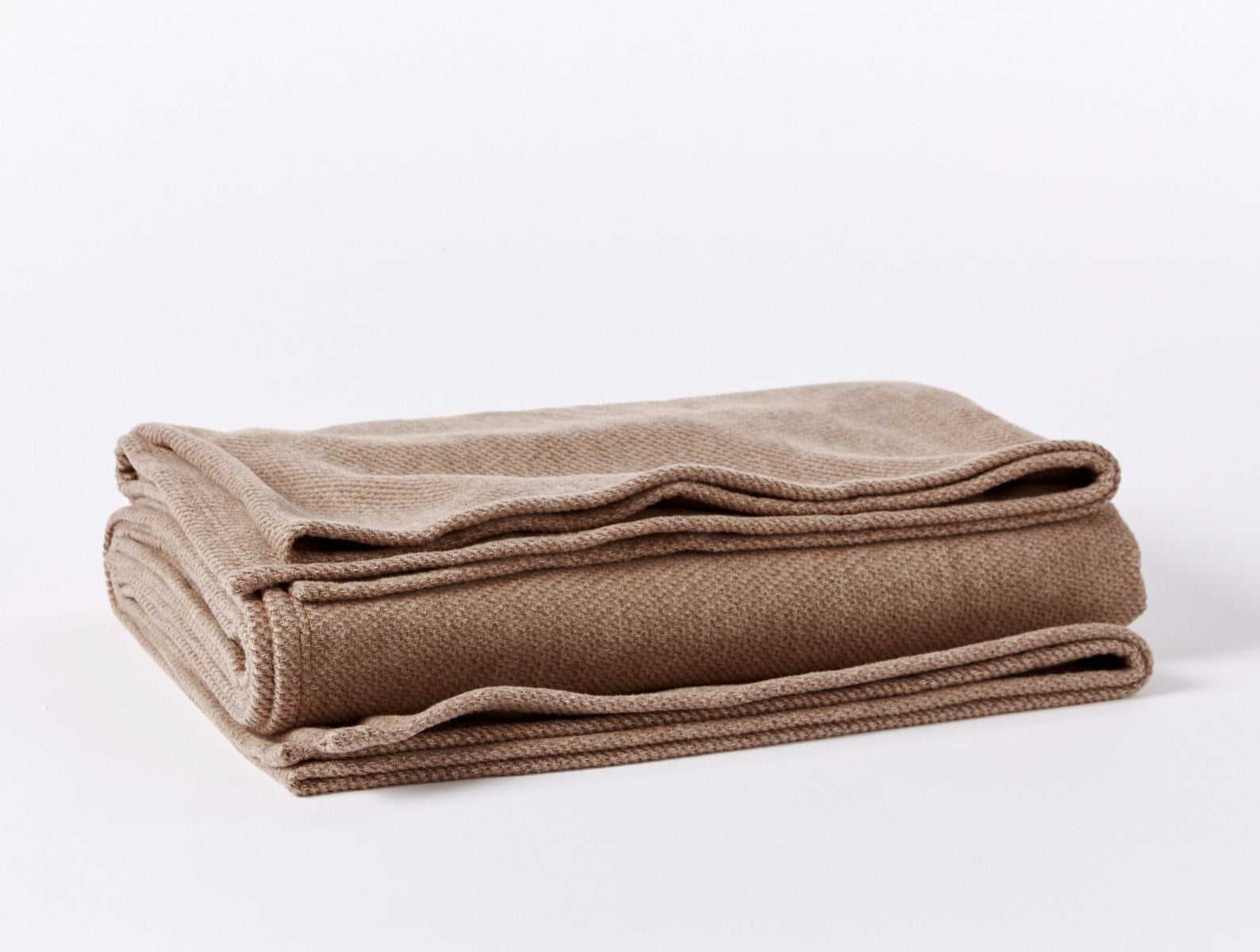
Wool and cotton-wool blends offer a different material profile. For example, the Sequoia blanket listed on this site combines 70% organic cotton with 30% organic wool and is described as machine washable with cold, gentle-cycle care and low tumble drying. That makes it a relevant comparison for someone weighing fiber blend, warmth and maintenance. Its listed price is higher, so a cost-per-use comparison would depend on the actual frequency of use, care habits and the needs it serves—not simply on the fiber names.
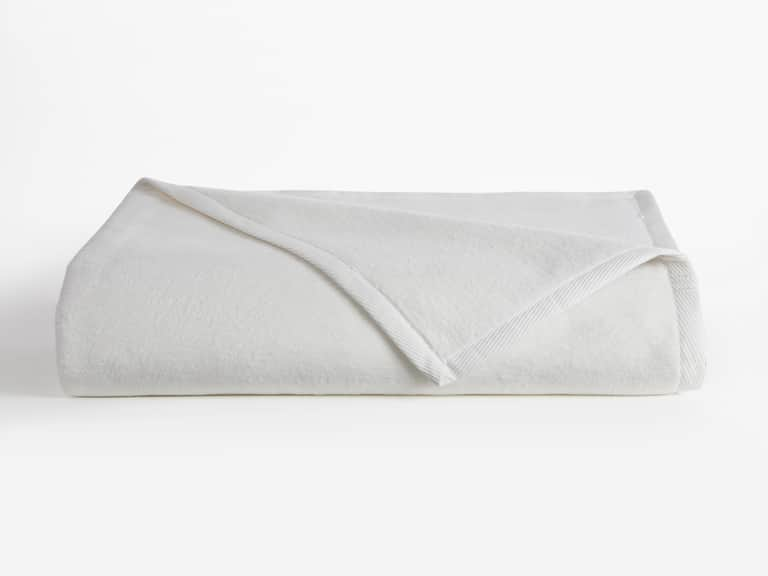
Silk, meanwhile, can be a lighter, smooth-feeling layer, but the Downtown Company Silk Blanket is specified as dry clean only. Its care requirement may affect its real-world cost and convenience for a household that prefers to launder bedding at home. That does not make it a poor choice; it makes the maintenance profile different. Comparing a machine-washable cotton blanket with a dry-clean-only silk one is most useful when the calculation includes both price and the care routine you are willing to maintain.
The right comparison is therefore not “which fiber is best?” but “which textile fits this particular job?” A frequently used bed layer, a decorative throw and an occasional winter blanket have different demands. Matching the material and care routine to the use case can matter more than choosing a material based on reputation alone.
A practical comparison checklist
Before deciding whether a recycled-cotton blanket represents good value, bring the details together in one place. This makes it easier to compare like with like and to avoid being swayed by a single appealing feature.
- Price: Record the current purchase price and any unavoidable care costs you expect to incur.
- Composition: Note each fiber and its stated percentage. For Full Circle, the listed blend is 52% recycled cotton and 48% organic cotton.
- Construction: Compare weave, finish, edge details and weight when this information is available.
- Care: Check water temperature, cycle, drying method and whether professional cleaning is recommended.
- Certification: Identify the standard by name and understand what it covers; do not treat it as a substitute for all other product information.
- Dimensions: Confirm that the blanket fits your bed or intended seating area, rather than assuming a size from its category name.
- Likely use: Estimate how often it will be used and whether it will serve one purpose or several.
- Personal fit: Consider warmth, texture, color, household routines and the likelihood that you will keep using it.
What “affordable bedding” can mean
Searches for affordable bedding often begin with a desire to spend less. That is understandable, but the most useful comparison includes both immediate and ongoing costs. An inexpensive blanket that requires cleaning you find inconvenient may not be the most economical choice for you. A higher-priced blanket that is used constantly and washed at home may compare differently over time. Neither pattern is universal; the point is to make the assumptions visible.
Cost per use can also help put premium materials in perspective without declaring that a higher price is automatically justified. Divide the purchase price by a realistic estimate of use, then adjust your view if the care instructions, durability evidence or actual comfort do not match your expectations. If you are uncertain about longevity, calculate more than one scenario—perhaps a shorter, moderate and longer period of ownership. A range is more honest than a precise forecast.
For an environmental comparison, be similarly careful. Recycled content can be a meaningful purchasing consideration, and keeping textiles in use is a compelling design principle. Still, no single material choice removes every impact associated with making, transporting, cleaning and eventually disposing of a household textile. Buying something that meets a real need, caring for it appropriately and using it regularly are practical considerations alongside fiber sourcing and certification.
The considered verdict
The Full Circle Recycled Cotton Blanket has several clearly stated attributes shoppers can assess: a blend of 52% recycled cotton and 48% organic cotton, a brushed finish, German weaving, machine-washable care and GRS certification. Together, these details make it a relevant option for someone seeking a cotton blanket with recycled content and a home-laundry care routine. They do not, by themselves, establish how long it will last in an individual home or whether its price is right for every budget.
To judge value, begin with the role the blanket will play. Estimate how often you will use it, check that its material and construction suit that role, and consider whether the prescribed care is realistic for your household. Then compare the purchase price against several plausible use scenarios. The result will not be an exact measure of quality, but it can make a decision more grounded than a glance at the price tag.
In the end, good value is a balance: a textile you want to live with, care instructions you can follow, and materials whose sourcing you understand. Recycled cotton is part of that conversation—not a substitute for it.