Silk Biscuit Blanket
Wrap yourself in luxury with this 100% silk biscuit blanket—light, breathable and incredibly soft, it adds a silky warmth to beds or sofas without heaviness, elevating everyday comfort.
A couture, editorial deep-dive into how plain weave, twill, and jacquard textures shape softness, warmth, and durability in your bed linens. From care tips to sustainability signals, this guide equips you with the vocabulary and confidence to curate bedding that feels and performs like a dream.
Fabric weaves are more than surface texture; they govern breathability, warmth, drape, and longevity. In the realm of bedding, three core families dominate conversations among designers, students, and curious homeowners: plain weave, twill, and jacquard. Each brings a distinct sensibility to a room—tailored calm, tactile depth, or architectural pattern—while quietly signaling care requirements and sustainability considerations.
Imagine linens as a wardrobe: a plain weave is your versatile, minimalist staple; a twill offers a soft, structured drape with a cozily coffee-hued personality; a jacquard introduces your room’s signature texture, a subtle heirloom effect that tells a story with each thread. The choice between them is less about right or wrong and more about what you want your sleep sanctuary to communicate: simplicity, warmth, or a touch of architectural drama.
Plain weave, also known as tabby, is the simplest, most universally used weave. Its crisscross structure—an over-one, under-one pattern—produces a fabric that is exceptionally balanced: sturdy, breathable, and easy to care for. In bedding, plain weave sheets and blankets feel crisp to the touch, with a smooth, even surface that layers well under duvets and comforters.
Because the weave is straightforward, plain weave fabrics often respond predictably to laundering. They tend to soften with age and washing, developing a comfortable hand that remains durable through many cycles. For lovers of minimalist, understated bedding, plain weave is a reliable foundation that never competes with other design elements.
Twill is characterized by a diagonal weave pattern created by the warp thread passing over multiple weft threads. This results in a fabric with a soft drape, a slightly textured surface, and superior crease resistance. In bedding, twill linens often read as luxurious and tactile without being heavy. The diagonal ridges catch light with a refined sheen, giving a room a quiet sophistication.
Twill’s durability makes it a practical option for everyday use, especially in climates with variable humidity. It tends to feel warmer than plain weave at the same weight, which can be beneficial for cooler months. When cared for properly, twill bedding maintains its warmth, shape, and tactile character across seasons.
Jacquard weaving enables intricate patterns and textures to be woven directly into the fabric. This is not a surface print; it is a structural pattern created during the weaving process. Bedding in jacquard weaves can range from delicate floral motifs to geometric abstractions, offering depth and a sense of luxury that elevates a bedroom’s personality.
Because jacquard patterns are integral to the fabric, they show wear differently than printed or embroidered designs. The durability depends on the fiber content and the density of the weave. A jacquard cotton blanket, for example, can be breathable, plush, and durable, delivering an indulgent feel without a heavy silhouette.
When you read bedding product descriptions, you’ll encounter terms like “plain weave,” “twill,” and “jacquard,” along with phrases describing the fabric’s weight (gsm or oz/yd²), finish (softened, brushed, or washed), and care instructions. Here is a quick glossary to empower your shopping and care decisions:
Cotton weaves—plain, twill, and jacquard—are common in bedding for their breathability, softness, and easy care. Organic cotton adds another layer of appeal, with certifications that signal reduced chemical exposure and more sustainable farming practices.
Linen, known for its cool hand and moisture-wicking properties, often appears in plain weave or in linen blends, bringing a crisp, airy feel to warm seasons. Wool and silk, when used in jacquard or brushed weaves, contribute luxurious warmth and compaction without added weight.
The Symbiosis: Some fabrics combine fibers for enhanced performance. For example, a cotton–wool blend can balance warmth with breathability, while a cotton–silk blend can offer sheen and softness with everyday practicality.
Sustainability signals matter. Look for certifications such as GOTS, OEKO-TEX, or Global Recycled Standard (GRS) when browsing. These indicators help consumers align aesthetic choices with ethical and environmental considerations.
A scholar whose approach to observation and inquiry mirrors the disciplined study of textiles. In weaving wisdom, Hypatia’s legacy reminds us that meticulous study—much like fiber science—leads to clarity and insight.
A polymath who connected art, science, and technique. In bedding terms, his spirit embodies the fusion of aesthetics and engineering—how pattern, weave, and fiber choice together craft a holistic sleep experience.
A contemporary design icon who champions color, texture, and storytelling through textiles. Rhodes’ ethos reflects how we layer fabric weaves with color and pattern to create mood, rather than simply to cover.
This article invites you to think of bedding as a curated wardrobe for your bedroom. We’ve distilled weave fundamentals into actionable considerations:
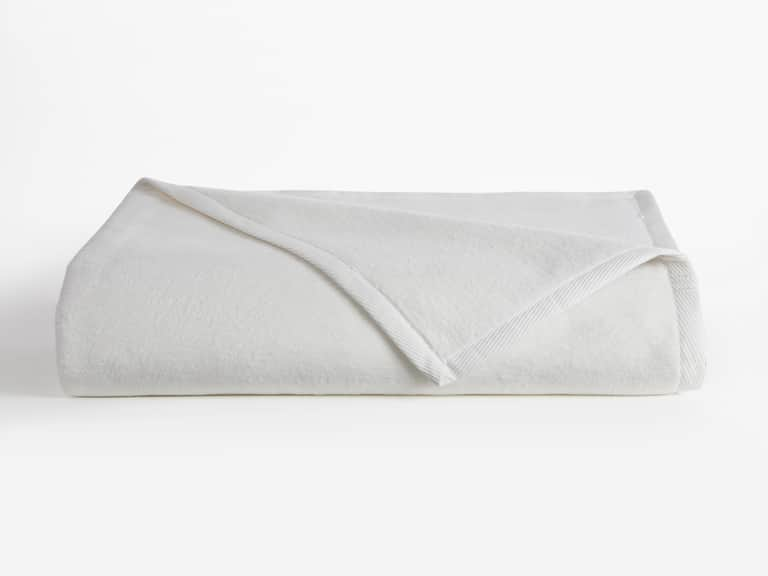
Our featured textile luxury, the Silk Biscuit Blanket, is a 100% silk blanket finished with a sand-colored silk border. Its whisper-soft, breathable drape is ideal for layering over a duvet or draping gracefully across a chaise. Satin binding adds a polished edge to the timeless beige hue—a palette that whispers rather than shouts, aligning with a refined, editorial mood.
Silk’s natural temperature regulation elevates this piece to all-season versatility: warm in cooler months, cool when the climate shifts. The silk border and light weight ensure it remains the epitome of adaptable luxury, a staple for the modern boudoir.
Images evoke texture and tone in editorial styling. The Silk Biscuit Blanket’s delicate gloss and neutral palette make it a centerpiece for aspirational bedroom aesthetics.
In the luxury bedding world, the weave is as meaningful as the fiber. It affects how a blanket or sheet feels against skin, how it behaves after washing, and how it ages with grace. Consider:
Weave choices translate into sleep experiences. Plain weaves offer dependable ease; twills deliver warmth with a refined hand; jacquards unveil a narrative through texture. By understanding these principles, you curate bedding that not only looks curated but feels intrinsically luxurious. The right weave, paired with thoughtful fibers, becomes a signature of everyday elegance—an editorial-grade refuge you can live in.
For readers who want to dive deeper into textile science, consider foundational texts on fabric construction, care guidelines from fiber associations, and current sustainability standards driving modern textile production.